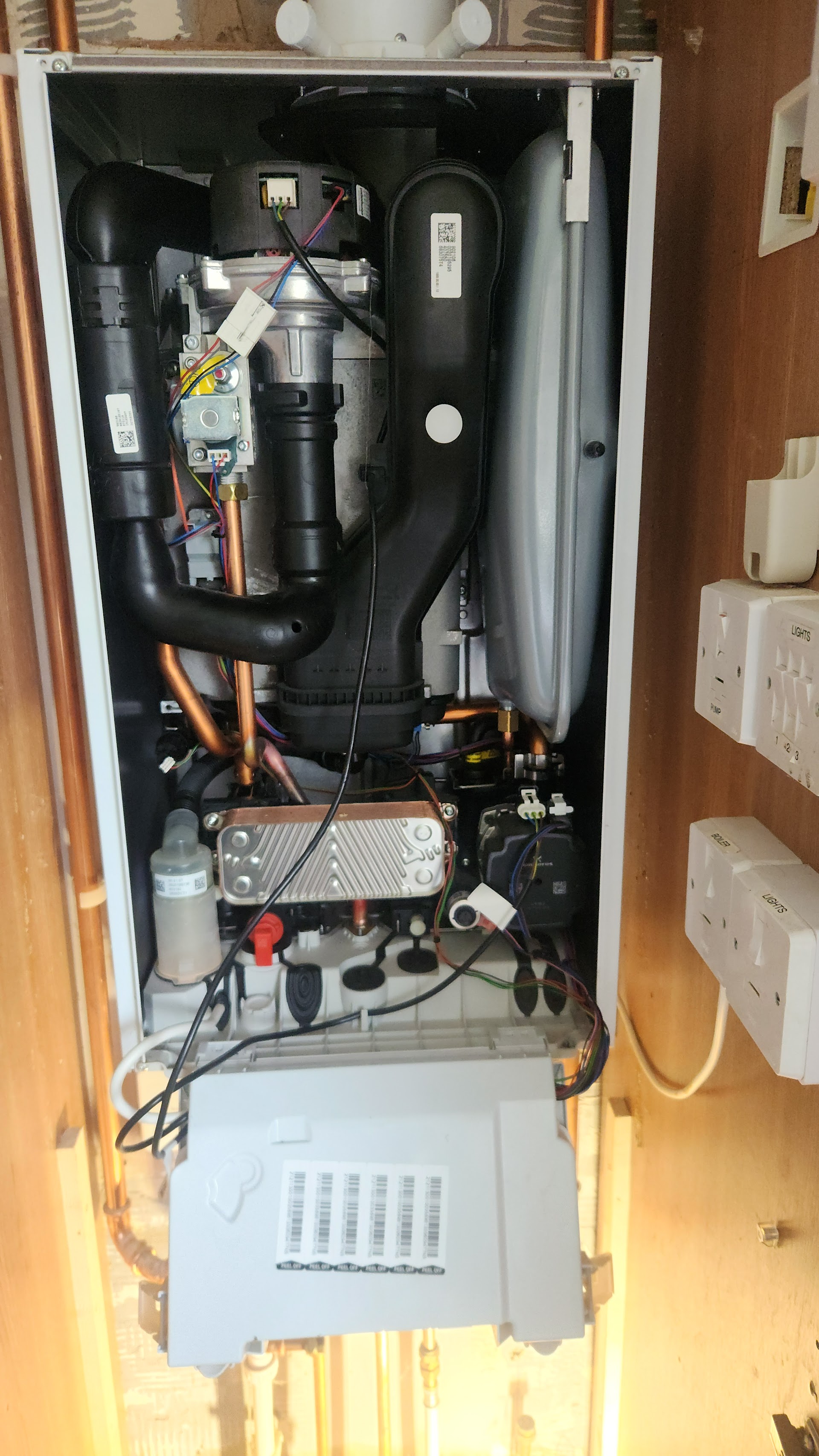
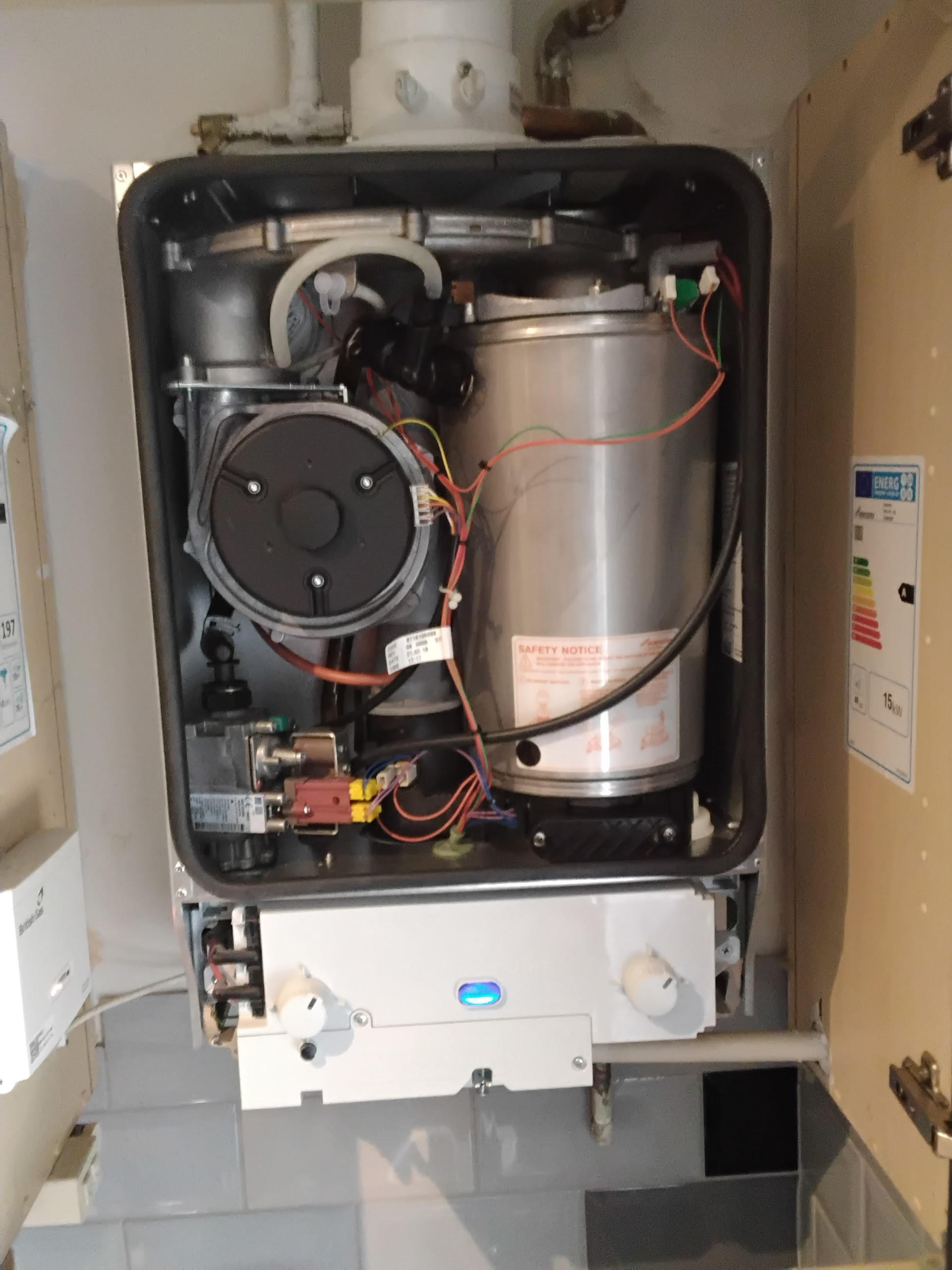
Installing a new boiler is one of the most important investment decisions you'll make as a homeowner. A modern, efficient boiler keeps your home warm, provides reliable hot water, and can save hundreds of pounds on energy bills every year. But understanding the process, costs, and options can feel overwhelming. This guide will walk you through everything you need to know before, during, and after a boiler installation.
Signs You Need a New Boiler
Not every home needs a new boiler today, but recognizing the signs of a failing system helps you plan ahead and avoid emergency situations.
- Age: Boilers typically last 10-15 years. If yours is older than 15 years, efficiency drops significantly and replacement becomes worth considering.
- Frequent breakdowns: If you're calling for repairs more than once a year, a new boiler may be more cost-effective than ongoing repairs.
- Rising energy bills: An ageing boiler loses efficiency. If your heating bills are climbing even though usage hasn't changed, a new high-efficiency boiler can recover the investment through savings.
- Uneven heating: Some rooms cold while others are warm, or radiators that won't heat properly, can indicate a boiler reaching the end of its life.
- Strange noises or leaks: Banging, whistling, or visible water pooling around the boiler are warning signs. Stop using the boiler and call a Gas Safe engineer immediately.
- Yellow pilot light: A healthy pilot light is blue. If it's yellow or orange, there may be a combustion problem. Get it checked by a professional.
Types of Boilers
There are three main types of boiler. Understanding the differences helps you choose the right system for your home and budget.
- Combi Boilers (Combination): The most popular choice today. A combi boiler heats your home and provides hot water on demand, without needing a separate hot water cylinder. Ideal for smaller homes and flats where space is limited. No water tank or cylinder means less maintenance and more cupboard space.
- System Boilers: These work with a hot water cylinder to store hot water, but don't need a separate water tank in the loft. Good for homes with higher hot water demand, like larger families. Offers consistent flow to multiple taps and showers simultaneously.
- Conventional Boilers (Heat Only): The traditional type. They heat water in a tank and use a separate cylinder for hot water storage. They require both a water tank and hot water cylinder, taking up space. Generally chosen only if you have an older system you're replacing.
Most homes today choose combi boilers for their efficiency, convenience, and space savings. Your installer will recommend the best type based on your home size, hot water needs, and existing pipework.
Planning a Boiler Installation?
Call MME Heating on 07728 327859. We provide free quotes and expert advice for boiler installation across Bournemouth and Dorset.
Call for a Free QuoteWhat to Expect During Installation
A professional boiler installation is a planned, systematic process. Here's what happens from start to finish.
- Pre-installation survey: Your installer visits your home to understand your heating needs, survey your existing system, and check that your property is suitable for the new boiler. This is when they recommend the best boiler model and explain the final price.
- Installation day: Most installations take one to two days. Your engineer will remove the old boiler safely, prepare pipework, install the new boiler, connect all pipes and controls, and test everything thoroughly before leaving.
- Commissioning and testing: Before they finish, every system is commissioned: pressure tested, safety checked, and controls verified. They'll explain how to operate your new boiler, how to adjust temperature settings, and what to do if something goes wrong.
- Paperwork and warranty: You'll receive a Boiler Installation Certificate (required for safety and insurance), a Gas Safety Certificate, and full warranty documentation. Keep these safely; you'll need them for future servicing and any warranty claims.
Good installers take care to minimize disruption. They'll protect your floors, clear their mess, and make sure you're completely satisfied before they leave.
Cost Guide
Boiler installation costs vary based on boiler type, brand, system complexity, and whether any additional work is needed.
- Combi boiler installation: £1,900 - £2,500. Most cost-effective option for smaller homes. Simple to install if replacing a like-for-like system.
- System boiler installation: £2,200 - £2,800. Requires a hot water cylinder, so slightly more complex than combi installation.
- Conventional system: £2,500 - £3,200. Most expensive due to tanks, cylinders, and more complex pipework.
- Additional costs: Boiler removal (£200-£400), new pipes or fittings if needed (£300-£800), magnetic filter installation for system health (£150-£250).
Always get multiple quotes and make sure they include supply, installation, commissioning, and all required certificates. At MME Heating, we provide transparent, detailed quotes with no hidden charges.
Why Choose a Gas Safe Installer
Gas work must be carried out by a Gas Safe registered engineer. This isn't optional. It's a legal requirement in the UK. Here's why it matters.
- Safety: Incorrect boiler installation can lead to carbon monoxide leaks, explosions, or fire. Gas Safe engineers are trained and qualified to install boilers safely.
- Legal requirement: Boiler installation must be done by a Gas Safe registered engineer. Non-compliant work can void your warranty, invalidate your insurance, and put you at legal risk.
- Insurance and mortgages: Most home insurance and mortgage providers require proof of Gas Safe installation and certification. If anything goes wrong, a non-certified installation may not be covered.
- Warranty protection: Manufacturer warranties require installation by a qualified engineer. DIY or unqualified installation will void your warranty completely.
- Resale value: When you sell your home, buyers will ask for boiler installation certificates. Gas Safe work protects your property value and makes selling easier.
Check that your installer displays their Gas Safe registration number before they start work. You can verify any engineer at gassaferegister.co.uk.
Frequently Asked Questions
Most boiler installations take one to two days depending on the complexity of your system and whether any additional work is needed. A simple like-for-like combi replacement might be completed in a single day, while a system boiler with a new hot water cylinder may take longer.
Yes, the water supply will need to be isolated during boiler installation. Your engineer will manage this safely. You won't have water access for a few hours, so plan accordingly. If you have a water tank in the loft, that will be drained.
Most new boilers come with a manufacturer warranty of 5-12 years depending on the brand and model. Extended warranties are also available. Warranty covers manufacturing defects, not wear and tear or damage from improper use. Keep your installation certificate and Gas Safety Certificate as proof for any warranty claims.
No. Your boiler will be switched off before installation begins. Plan the installation during a warm season if possible, or ensure you have alternative heating (portable radiators, etc.) if installing in winter.
Yes, someone should be home during the entire installation. The engineer needs access to parts of your home, and there will be times when you need to discuss options or make decisions about the work.
Your engineer will assess your home during the survey and recommend only boilers that are suitable. If your first choice isn't feasible, they'll explain why and suggest alternatives that will work. Rarely, a property may not be suitable for modern condensing boilers due to flue routing, but there's almost always a solution.